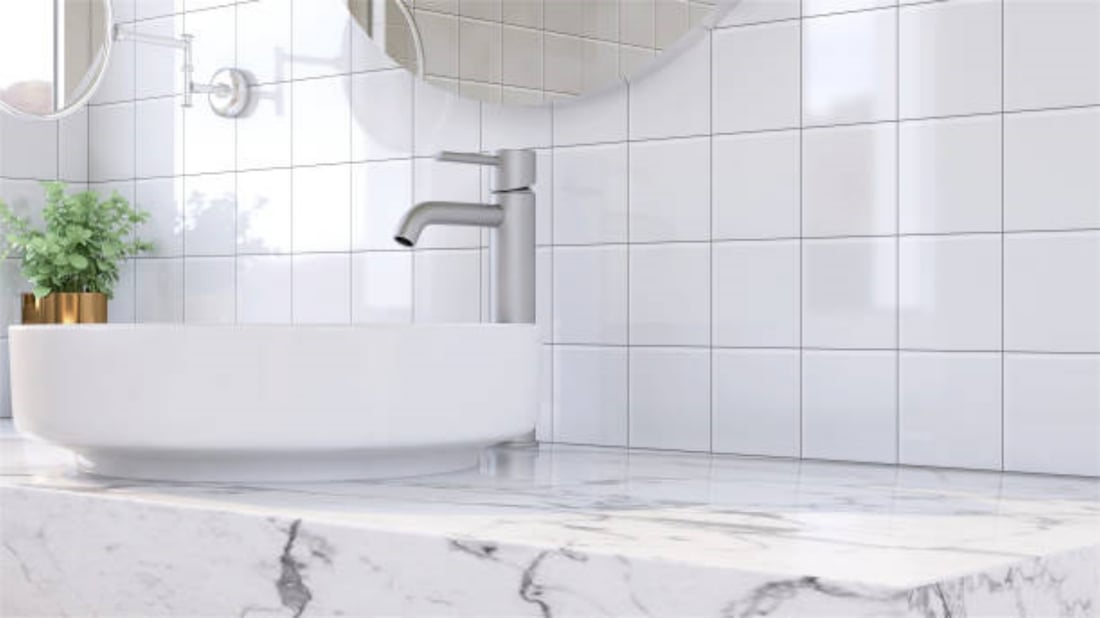
A water saving faucet is a specially designed fixture engineered to reduce water consumption without compromising performance. These faucets use innovative technology such as aerators, flow restrictors, and sensor-based controls to minimize water wastage. By limiting the flow rate, water saving faucets help conserve one of the most precious natural resources while maintaining sufficient pressure for everyday tasks like washing hands, dishes, or vegetables.
The Environmental Impact of Using Water Saving Faucets
Adopting water saving faucets plays a critical role in environmental conservation. By reducing water flow, these faucets decrease the amount of water extracted from freshwater sources, preserving aquatic ecosystems and decreasing energy consumption in water treatment facilities. Less water usage also means reduced wastewater production, contributing to lower pollution levels and benefiting local ecosystems.
Energy Efficiency Linked to Water Saving Faucets
Water saving faucets indirectly contribute to energy savings. Heating water accounts for a significant portion of home energy use. Limiting hot water flow with water saving faucets reduces the amount of heated water needed, thereby decreasing energy consumption and utility bills. This synergy between water and energy conservation makes water saving faucets an environmentally and economically efficient choice.
Cost Savings Over Time with Water Saving Faucets
Investing in water saving faucets offers substantial long-term financial benefits. These fixtures lower monthly water bills by reducing overall consumption. Additionally, savings from decreased energy usage for hot water heating further enhance cost efficiency. Over time, the initial purchase and installation costs are offset by significant reductions in utility expenses, making water saving faucets a practical investment for residential and commercial properties.
Technological Innovations in Water Saving Faucet Design
Modern water saving faucets incorporate advanced technologies such as motion sensors, touchless activation, and intelligent flow regulators. These innovations not only enhance water efficiency but also promote hygiene by limiting physical contact. Some models include temperature control features and customizable flow settings to maximize comfort and efficiency for various applications.
Water Saving Faucets and Compliance with Conservation Standards
Many regions enforce strict water conservation regulations, and water saving faucets help users comply with these standards. Products bearing certifications from organizations such as WaterSense meet rigorous efficiency and performance criteria. Installing certified water saving faucets ensures adherence to local codes and may provide eligibility for rebates or incentives designed to encourage water conservation.
Installation Considerations for Water Saving Faucets
Proper installation is key to maximizing the performance of water saving faucets. Whether upgrading existing fixtures or installing new faucets, users should ensure compatibility with plumbing systems and maintain correct fitting to prevent leaks and flow issues. Professional installation may be recommended to guarantee optimal functionality and longevity of the water saving faucet system.
Water Saving Faucets in Commercial and Public Settings
Water saving faucets are increasingly utilized in commercial buildings, schools, hospitals, and public restrooms. These high-traffic environments benefit from water efficiency due to reduced operational costs and enhanced sustainability. Sensor-operated water saving faucets are especially popular in these settings for their touchless operation, reducing germ transmission while conserving water.
Maintenance and Durability of Water Saving Faucets
Maintaining water saving faucets requires regular cleaning and periodic inspection of aerators and flow restrictors to prevent mineral buildup and ensure consistent water flow. High-quality faucets are designed with durable materials to extend lifespan and maintain efficiency. Proper upkeep enhances faucet performance and prevents costly repairs related to water wastage or leaks.
Future Trends and the Growing Importance of Water Saving Faucets
As global water scarcity intensifies, the demand for water saving faucets will continue to rise. Future trends include integration with smart home systems, enhanced sensor technology, and materials that improve durability and sustainability. Water saving faucets will play a crucial role in smart water management strategies aimed at preserving resources while meeting the needs of growing populations.
Quote Inquiry
contact us